
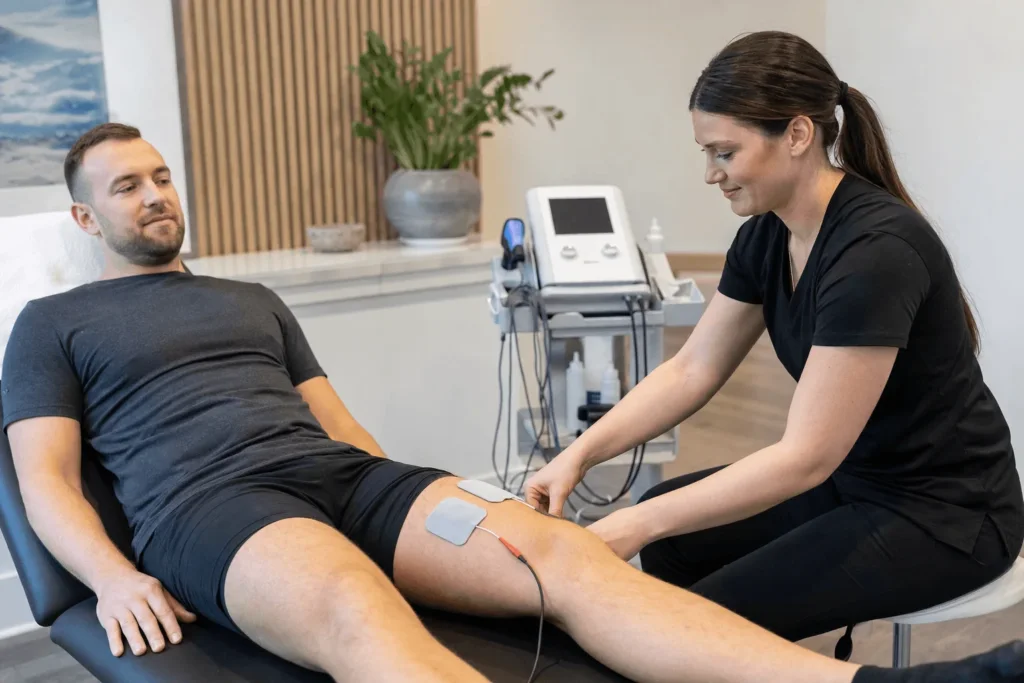
If you’re considering electrotherapy for pain management or muscle recovery, you’re probably wondering: does electrotherapy hurt? The short answer is no, but understanding what to expect during treatment helps ease anxiety and ensures a comfortable experience. This article explains what electrotherapy actually feels like, how different types compare in sensation, what side effects are normal versus concerning, and how to communicate with your practitioner to optimize comfort. You’ll learn about first-time treatment expectations, safety concerns, and who should avoid this therapy altogether.
Quick Answer
Electrotherapy doesn’t hurt when applied correctly. You’ll feel tingling, buzzing, or mild muscle contractions depending on the type used. Discomfort only occurs if settings are too high or electrodes are poorly placed. Most patients find the sensations surprisingly comfortable and even relaxing. Your physiotherapist adjusts intensity throughout treatment to maintain comfort while achieving therapeutic goals. Normal sensations include gentle tingling for pain relief or rhythmic muscle contractions for strength building, both remaining well within tolerable limits.
Does Electrotherapy Hurt? The Direct Answer
Electrotherapy should never cause pain during treatment. When administered by a trained physiotherapist, electrical stimulation produces sensations ranging from gentle tingling to noticeable muscle contractions, but these remain well within comfortable limits. Pain indicates incorrect settings, poor electrode placement, or contraindications that need addressing.
The confusion often stems from unfamiliarity. First-time patients mistake the novel sensation of electrical current for discomfort. That buzzing feeling under the electrodes feels strange, not painful. Your nervous system simply isn’t accustomed to external electrical signals.
At ProMed Wellness Centre in North York, the physiotherapy team adjusts treatment parameters based on individual comfort levels and specific treatment goals. Some patients prefer barely perceptible tingling for pain relief. Others tolerate stronger contractions when building muscle strength after injury.
Intensity matters tremendously. Low-level TENS therapy for chronic pain feels like gentle vibration. Higher-intensity EMS for muscle re-education produces visible muscle twitches. Both remain comfortable when calibrated properly. The key is open communication with your practitioner throughout each session.
Key Takeaways
- Expect tingling or buzzing sensations, not pain, during properly administered electrotherapy
- Communicate immediately if sensations feel uncomfortable or too intense
- Different electrotherapy types produce varied sensations from gentle to stronger contractions
- Avoid electrotherapy if you have pacemakers, pregnancy, or active cancer
- Ask your physiotherapist to adjust intensity settings anytime during treatment
What Electrotherapy Actually Feels Like During Treatment
Most patients describe electrotherapy as a rhythmic tingling or buzzing sensation beneath the electrode pads. The feeling resembles pins and needles without the discomfort, or the vibration from a cell phone against your skin. This sensation varies in strength based on the device settings your physiotherapist selects.
Temperature rarely changes. Unlike laser therapy, which may produce warmth, electrical stimulation doesn’t heat tissues directly. The electrodes remain at room temperature throughout treatment. Any warmth you notice comes from increased blood flow to the area, not the electricity itself.
Muscle twitching occurs with certain electrotherapy types. EMS and NMES cause visible muscle contractions that feel like someone gently squeezing and releasing the treatment area. These rhythmic contractions help rebuild strength after injury or surgery. They’re noticeable but controlled.
The sensation intensifies when your physiotherapist increases amplitude. Starting low ensures comfort. They’ll gradually dial up the intensity until you report a strong but tolerable sensation. You maintain control throughout. If anything feels sharp, burning, or genuinely painful, speak up immediately. Those sensations indicate problems.
During your first electrotherapy session, we start at minimum intensity and increase gradually every 30 seconds. This approach helps you distinguish normal tingling from actual discomfort before reaching therapeutic levels.
How Different Types of Electrotherapy Compare in Sensation
Not all electrotherapy feels identical. The specific modality your physiotherapist selects determines what you’ll experience during treatment. Understanding these differences helps set realistic expectations and reduces anxiety about unknown sensations.
TENS and IFT: Tingling and Buzzing Sensations
TENS (Transcutaneous Electrical Nerve Stimulation) produces gentle, constant tingling. Most patients compare it to carbonated water fizzing against the skin. The sensation remains consistent throughout treatment, creating a pleasant distraction from underlying pain. TENS targets nerve fibers to block pain signals, so you won’t see muscle movement. IFT (Interferential Therapy) creates a deeper buzzing sensation that penetrates further into tissues. Two electrical currents intersect beneath your skin, producing a unique feeling patients describe as internal vibration. It reaches deeper structures than TENS without increasing surface intensity.
EMS and NMES: Muscle Contraction Feelings
EMS (Electrical Muscle Stimulation) and NMES (Neuromuscular Electrical Stimulation) produce visible muscle contractions. Your muscle tightens and releases rhythmically, following the programmed on-off cycle. This feels like someone alternately squeezing and releasing the treatment area every few seconds. The contraction strength depends on your treatment goals. Post-surgical muscle re-education requires stronger contractions to rebuild lost strength. Athletic recovery might use gentler contractions to reduce fatigue while maintaining muscle activation.
Ready to start your recovery?
Our multidisciplinary team in North York offers physiotherapy, chiropractic, massage therapy, and more under one roof. Direct billing available, no referral needed.
Side Effects and Safety Concerns: What’s Normal vs. What’s Not
Normal responses to electrotherapy include mild skin redness beneath electrode sites, temporary muscle fatigue in the treated area, and slight tingling that persists 10-20 minutes after treatment ends. These reactions indicate your tissues responded appropriately to electrical stimulation and resolve quickly without intervention.
Skin irritation occasionally develops from adhesive electrode pads, particularly with repeated applications in the same location. This appears as redness outlining the pad shape and may itch mildly. Rotating electrode placement by a few centimeters between sessions prevents this entirely. Hypoallergenic electrodes eliminate reactions in sensitive patients.
Abnormal reactions requiring immediate attention include burns, blisters, sharp pain during treatment, or muscle spasms that continue after the device stops. Burns indicate excessive intensity or damaged electrodes creating current concentration. Sharp pain suggests nerve irritation or contraindicated placement. These never occur with proper technique.
Contact your physiotherapist if you experience increased pain after treatment, skin changes lasting beyond 24 hours, or unusual sensations like numbness or weakness. While rare, these symptoms warrant assessment to rule out underlying issues unrelated to electrotherapy itself.
Who Should Avoid Electrotherapy and Why
Pacemakers and implanted defibrillators represent absolute contraindications to electrotherapy. Electrical current from therapy devices may interfere with the pacemaker’s programming or sensing capabilities. Even distant electrode placement carries risk. If you have any cardiac implant, avoid all forms of electrotherapy without exception.
Pregnancy, particularly during the first trimester, contraindicates electrotherapy over the abdomen and low back. While electrical stimulation likely won’t harm the fetus, insufficient research exists to confirm absolute safety. Physiotherapists avoid unnecessary risk. Treatment to arms or legs remains acceptable if clearly needed.
Active cancer or areas with suspected malignancy require avoiding electrotherapy to that region. Electrical stimulation increases blood flow and cellular metabolism. Theoretical concerns exist about potentially accelerating tumor growth or metastasis. Once cancer treatment completes and your oncologist clears you, electrotherapy becomes safe again.
Seizure disorders may worsen with electrical stimulation near the head or neck. While body and limb treatment generally proves safe, the small risk of triggering seizure activity makes some practitioners cautious. Discuss your seizure history thoroughly. Well-controlled epilepsy often allows electrotherapy with appropriate precautions.
Other relative contraindications include active infections at the treatment site, open wounds or broken skin, decreased sensation or nerve damage, and thrombophlebitis or deep vein thrombosis. Your physiotherapist assesses these during your initial evaluation. Many resolve with time, allowing future electrotherapy once conditions improve.
What to Expect During Your First Electrotherapy Session
Your first session begins with a thorough assessment. The physiotherapist asks about your pain, injury history, previous treatments, and any contraindications. They explain which type of electrotherapy suits your condition best and what sensations you’ll experience. This conversation establishes realistic expectations and reduces anxiety.
Electrode placement happens next. The physiotherapist cleans your skin with alcohol to remove oils and improve conductivity. They position electrodes strategically around your pain or injury site. Proper spacing matters tremendously. Electrodes too close together concentrate current uncomfortably. Proper distance distributes electrical flow effectively through target tissues.
The initial intensity check starts with zero output. Your physiotherapist powers on the device at minimum setting, then slowly increases intensity while watching your face for discomfort reactions. They ask repeatedly what you feel. You’ll notice tingling beginning faintly, then growing stronger. This gradual ramping prevents sudden unpleasant surprises and allows you to understand how different intensity levels feel before reaching therapeutic settings.
Treatment duration typically ranges from 10 to 30 minutes depending on your condition and the modality used. TENS for chronic pain might run 20-30 minutes. EMS for muscle re-education often needs only 10-15 minutes because muscle fatigue sets in. You’ll rest comfortably during this time. Many patients find it surprisingly relaxing.
How to Communicate Your Comfort Level
Effective communication during electrotherapy ensures both comfort and treatment effectiveness. Use a simple 0-10 scale where zero means you feel nothing and 10 indicates pain. Therapeutic intensity usually sits between 5 and 7, strong enough to feel clearly but never approaching actual discomfort.
Describe sensations specifically. Sharp versus buzzing provides your physiotherapist actionable information. Sharp sensations suggest nerve irritation requiring immediate adjustment. Buzzing indicates normal electrical stimulation. Similarly, burning means too much current density, while tingling confirms appropriate settings.
Your physiotherapist wants to hear from you throughout treatment. Report if sensations change, become uncomfortable, or feel too intense. They can adjust parameters within seconds. Don’t wait until the session ends to mention discomfort that started halfway through. Immediate feedback allows for real-time corrections that keep treatment both comfortable and effective.
At ProMed Wellness Centre, physiotherapists emphasize that patients control treatment intensity. You’re not being tough by tolerating discomfort. Electrotherapy works optimally when strong but comfortable. Speaking up improves outcomes, it doesn’t show weakness. The goal is therapeutic stimulation, not endurance testing.
Adjusting Intensity Settings to Prevent Discomfort
Understanding how to communicate about intensity adjustments empowers you to actively participate in your treatment. Your physiotherapist monitors your responses continuously, but you know best what you’re feeling internally.
The amplitude dial controls current strength. Higher amplitude produces stronger sensations and deeper tissue penetration. Your physiotherapist increases this gradually to therapeutic levels, then may reduce it slightly if you report discomfort. Even small adjustments make significant differences in sensation.
Recognizing when settings are too high prevents discomfort before it becomes problematic. Sharp or stabbing sensations instead of smooth tingling indicate excessive intensity. This feels like tiny needles pricking your skin rather than the gentle buzz of appropriate settings. Burning sensations under the electrodes suggest current concentration in too small an area, often from poor electrode contact or placement. You’ll feel distinct heat or stinging that differs completely from therapeutic tingling.
Muscle contractions that feel jerky, violent, or uncontrolled mean the frequency or pulse width needs adjustment. Therapeutic contractions build smoothly to a peak, hold briefly, then release gradually. Excessive settings cause muscles to snap into contraction abruptly. Any sensation that makes you tense up, hold your breath, or brace against discomfort clearly exceeds therapeutic levels.
If you experience these warning signs, immediately tell your physiotherapist using clear statements like “I feel sharp stabbing rather than tingling,” “It’s burning under this electrode,” “The contractions feel jerky and uncomfortable,” or simply “I need you to turn it down.” Don’t try to tough it out. Settings that cause discomfort don’t improve outcomes and may indicate problems requiring immediate correction.
Normal therapeutic sensations feel strong but tolerable. You should be able to relax, breathe normally, and hold a conversation during treatment. If you find yourself gritting your teeth, tensing muscles, or counting down the minutes until treatment ends, the intensity is too high. Use phrases like “This feels too intense now,” “Can you decrease the setting,” or “I need a break” to communicate your needs clearly and immediately.
Your tolerance may increase over multiple sessions as you become accustomed to the sensations. Settings that felt intense during your first treatment might feel mild by your third or fourth session. Your physiotherapist gradually increases parameters as your tolerance builds, optimizing therapeutic effects while maintaining comfort throughout your treatment course. Always communicate if the usual settings suddenly feel too strong, as this might indicate increased tissue sensitivity requiring assessment.
If muscle contractions feel jerky or painful rather than smooth and controlled, your physiotherapist needs to adjust the pulse width or frequency. Comfortable contractions build strength effectively without causing tissue damage or excessive soreness.
Post-Treatment Sensations and What They Mean
Understanding the normal timeline of post-treatment sensations helps you distinguish expected responses from problems requiring professional attention. Different timeframes indicate different tissue responses to electrical stimulation.
Immediately After Treatment (0-30 Minutes)
The tingling sensation fades gradually over 5-20 minutes after electrodes come off. This residual sensation confirms the treatment stimulated your nerves appropriately. Some patients report the treated area feels lighter or less painful immediately. Skin redness under electrode sites appears light pink and fades within 30 minutes. Mild tingling may persist for up to 30 minutes. These immediate responses are completely normal and require no intervention.
First Hours After Treatment (2-24 Hours)
Muscle fatigue in areas treated with EMS or NMES proves entirely normal and expected. Your muscles contracted repeatedly during treatment. They’ll feel worked, similar to how they feel after exercise. This fatigue confirms effective muscle stimulation. Pain reduction often becomes noticeable during this timeframe as inflammation decreases. Some patients experience slight muscle soreness similar to post-exercise soreness, which peaks around 12-24 hours after treatment. This differs from pain and indicates therapeutic muscle work occurred.
One to Two Days After Treatment (24-48 Hours)
Any muscle soreness should peak and begin resolving during this period. The treated area should feel better than before your session, not worse. Normal post-treatment soreness feels like muscle tiredness, not injury. Therapeutic benefits from the session become more apparent. Your skin should return to completely normal appearance with no redness or irritation visible. If soreness persists beyond this timeframe or worsens, contact your physiotherapist.
Beyond 48 Hours After Treatment
All treatment-related sensations should resolve completely. Any therapeutic benefits should be clearly apparent. If you’re undergoing multiple sessions, you’ll likely notice cumulative improvements in pain and function with each treatment. No residual muscle fatigue, skin changes, or unusual sensations should remain.
Symptoms That Warrant Contacting Your Physiotherapist
Report these symptoms to your physiotherapist as they fall outside normal ranges: persistent numbness lasting beyond 2 hours post-treatment, increased pain (not soreness) after the first 24 hours, any blistering or burns regardless of size, weakness that doesn’t resolve within 24 hours, skin changes including persistent redness, rash, or irritation lasting beyond 48 hours, or muscle spasms continuing after you leave the clinic. While exceedingly rare with proper technique, these symptoms warrant assessment. They might indicate issues unrelated to electrotherapy that happened to coincide with your treatment, or they may suggest the need for parameter adjustments in future sessions.
Frequently Asked Questions About Electrotherapy and Pain
Does electrotherapy hurt?
No, electrotherapy should not hurt when applied correctly by trained professionals. You’ll feel tingling, buzzing, or muscle contractions depending on the type used, but these sensations remain comfortable and well within tolerable limits. Pain indicates incorrect settings or electrode placement that your physiotherapist needs to adjust immediately.
What does electrotherapy feel like?
Electrotherapy feels like gentle tingling or buzzing beneath the electrode pads, similar to pins and needles without discomfort or a cell phone vibrating against your skin. Some types produce visible muscle contractions that feel like rhythmic squeezing and releasing. The sensation is noticeable and strong enough to be therapeutic but not painful.
Can electrotherapy cause nerve damage?
Electrotherapy does not cause nerve damage when administered by trained professionals following established protocols. The electrical current used remains well below levels that could harm nerve tissue. The therapeutic currents used in clinical settings are specifically designed to stimulate nerves safely without causing any structural damage to neural tissue.
Who should not use electrotherapy?
People with pacemakers or implanted defibrillators should never use electrotherapy due to interference risk with device programming. Pregnant women should avoid abdominal and low back treatment. Others who should avoid electrotherapy include those with active cancer at the treatment site, uncontrolled seizure disorders for head and neck treatment, active infections or open wounds, and decreased sensation that prevents feeling intensity changes.
How long does it take for electrotherapy to work?
TENS therapy often provides immediate pain relief during and shortly after treatment, with effects lasting several hours. IFT and EMS typically require 3-6 sessions over 2-3 weeks before noticeable improvement occurs as inflammation reduces and muscle function rebuilds. Chronic conditions may need 8-12 sessions for optimal results.
Start Your Electrotherapy Treatment With Confidence
Electrotherapy doesn’t hurt, and understanding what to expect eliminates the anxiety many first-time patients experience. The tingling, buzzing, or muscle contractions you’ll feel remain well within comfortable limits when your physiotherapist adjusts settings appropriately. Open communication about sensations ensures both comfort and therapeutic effectiveness throughout treatment. Whether you’re managing chronic pain, recovering from injury, or rebuilding muscle strength, electrotherapy treatments provide safe, non-invasive options that complement your overall rehabilitation plan.
ProMed Wellness Centre’s experienced physiotherapy team at 2001B Finch Ave West in North York specializes in customizing electrotherapy parameters to individual needs and comfort levels. Our multilingual staff (English and Farsi) ensures clear communication about treatment sensations and expectations. Direct billing makes accessing care straightforward. No referral is needed to start. Schedule your first session or call (647) 349-8765 to discuss which electrotherapy modality best addresses your specific condition.