
Muscle tension
Hands-on techniques may be used to address areas of muscle tightness or sensitivity that are affecting comfort or movement.
ProMED Wellness Centre North York
Hands-on care that may help address movement restrictions, muscle tension and joint-related discomfort as part of an individualized treatment plan.
2001B Finch Ave West, North York
A personal approach to recovery.
Understanding your care
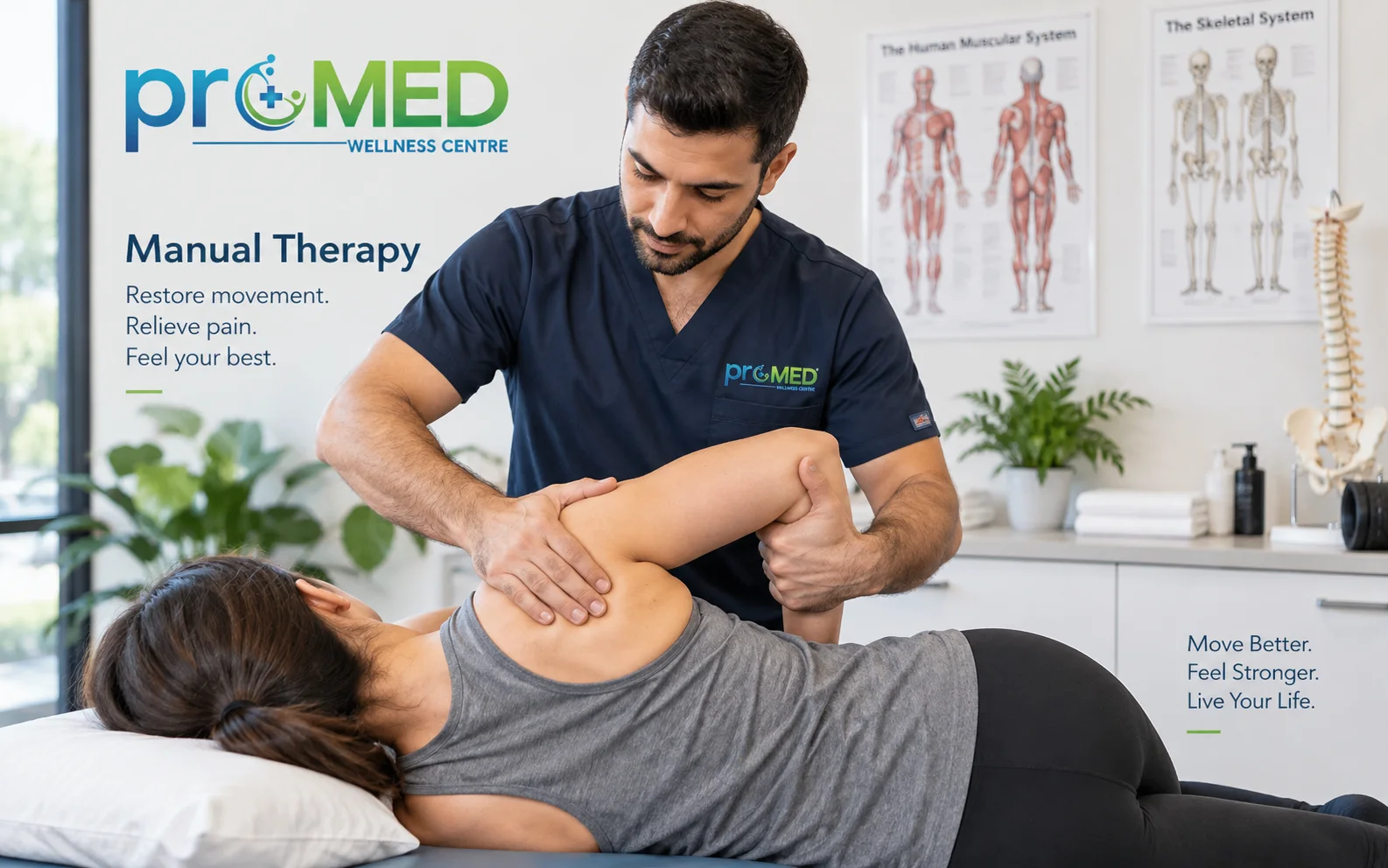
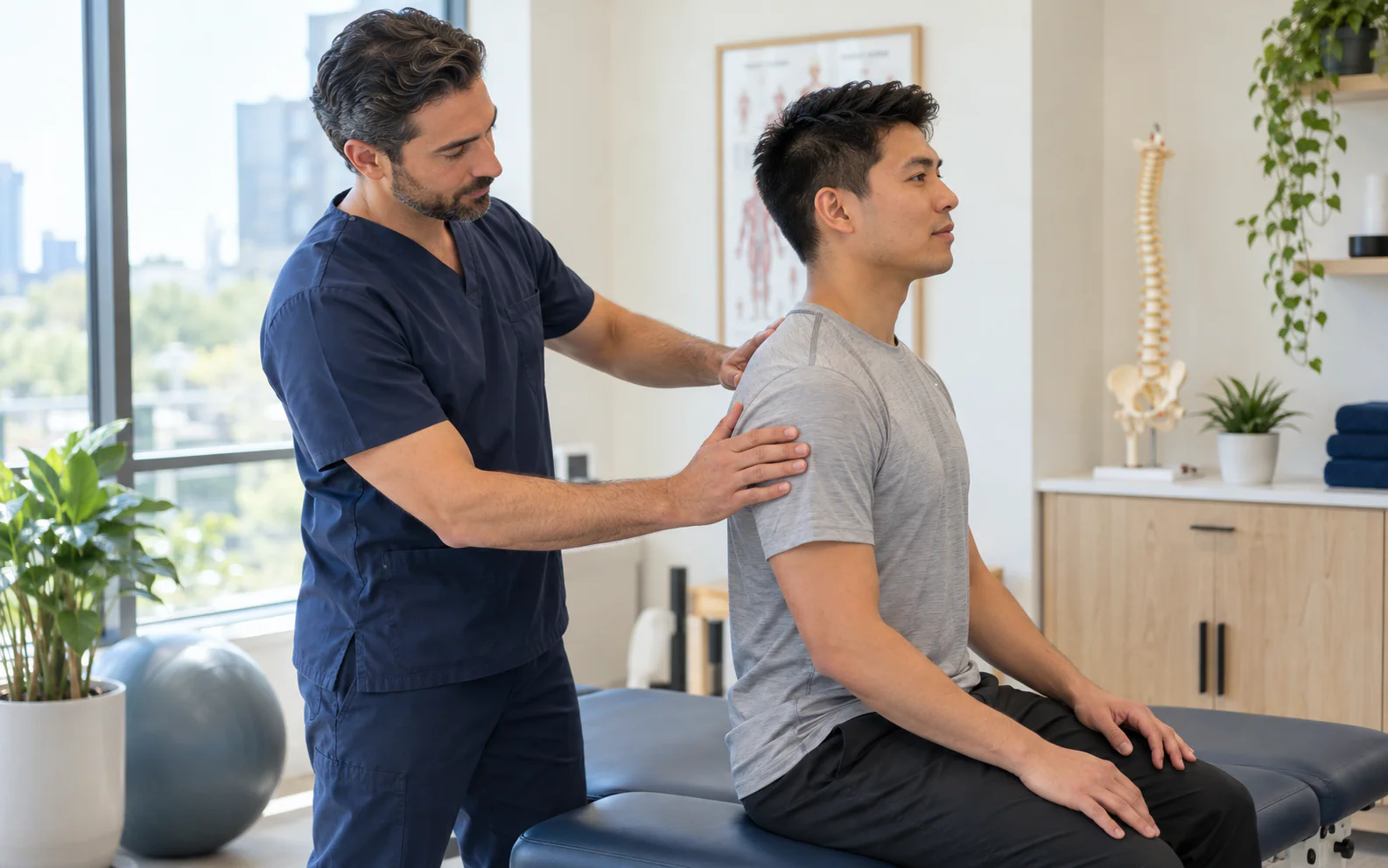
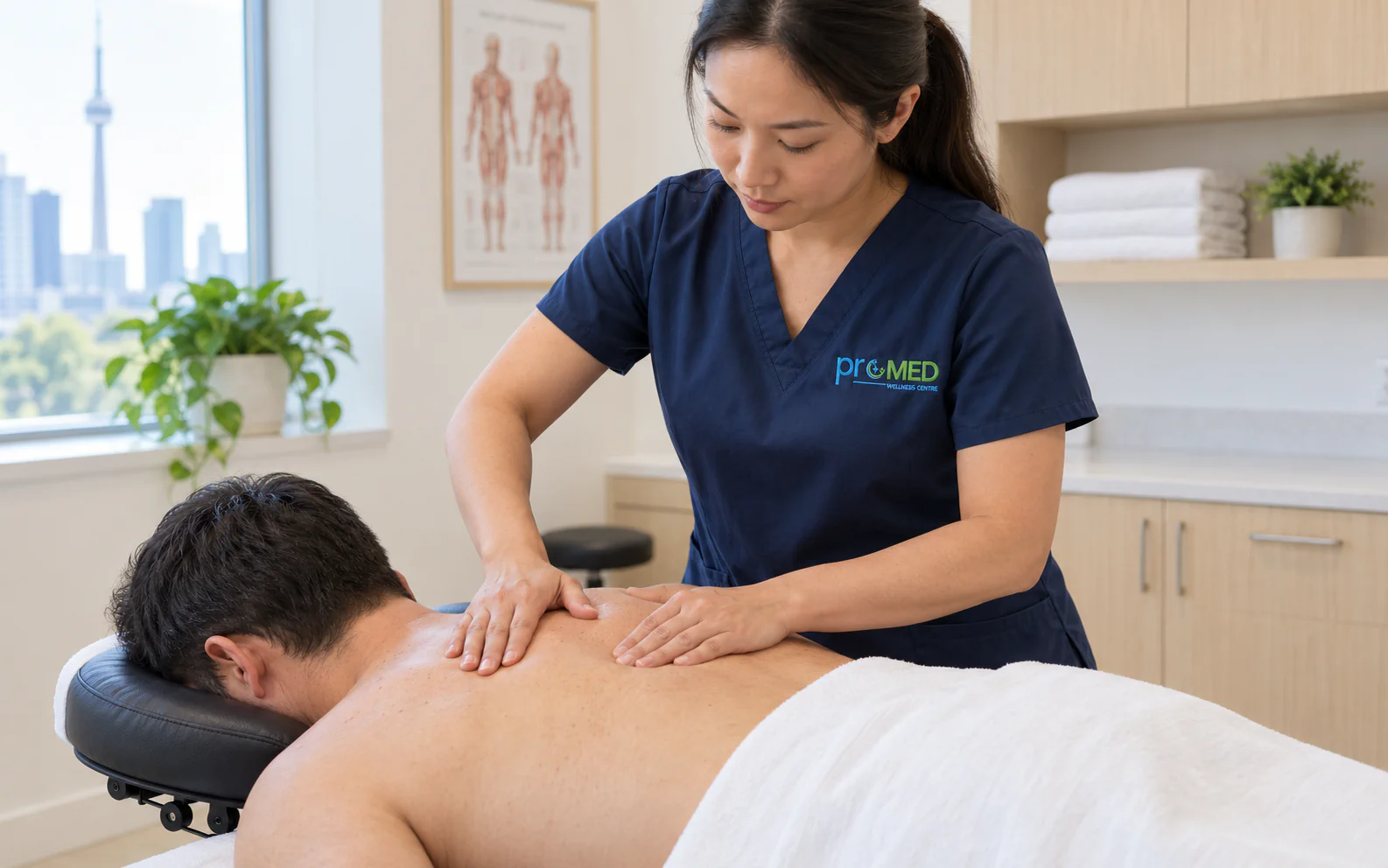
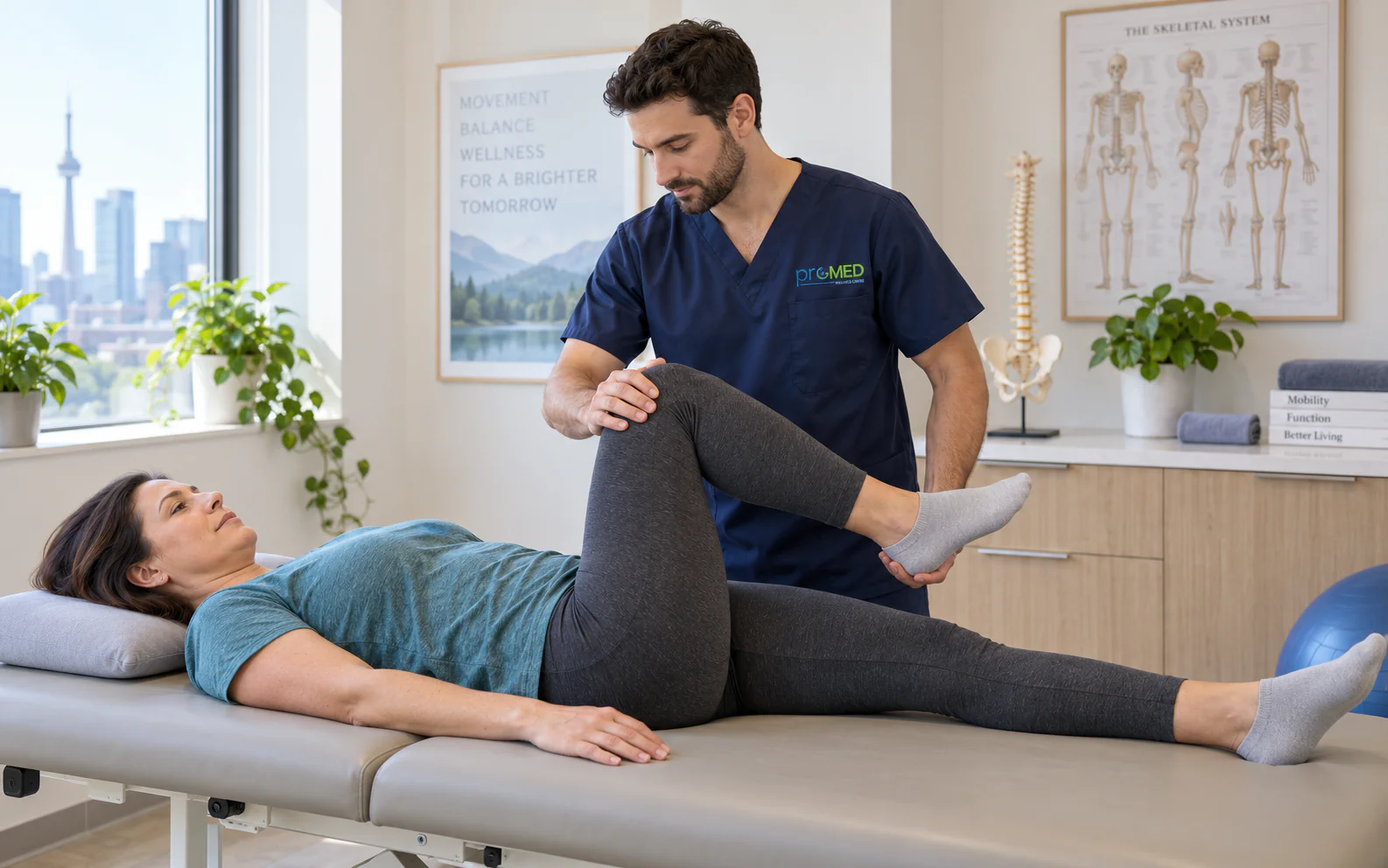
Manual therapy is a hands-on approach used by qualified healthcare practitioners to assess and address how joints, muscles and surrounding soft tissues move and feel. Techniques may include guided joint movements, soft-tissue work, stretching and other gentle forms of hands-on treatment.
At ProMED Wellness Centre, manual therapy is considered within the context of your symptoms, health history, daily activities and goals. Your practitioner can explain the proposed approach, answer questions and adapt care to your comfort level and preferences.
Manual therapy is often combined with active strategies, such as therapeutic exercise, movement education or self-management guidance, where appropriate. The aim is to support function and help you take an active role in your care.
INSURANCE & DIRECT BILLING
Planning to use insurance or another coverage program? Contact our team before your appointment so we can confirm eligibility, direct billing availability and any documents you may need.
Ask About Coverage →Self-pay appointments are available for patients not using insurance.
Direct billing may be available for eligible services and participating plans.
Coverage depends on the program, service and eligibility requirements.
Eligible coverage may be available depending on the program and provider requirements.
Ask our team about documentation and billing options related to your case.
Contact us before booking so we can review the information needed for your claim.
Coverage and direct billing vary by plan, service and practitioner. Direct billing does not guarantee full coverage. Please confirm eligibility and any out-of-pocket costs before treatment.
READY WHEN YOU ARE
Tell us what’s been bothering you and our team can help you understand which service may be the right next step.
WHEN TO CONSIDER CARE
Hands-on techniques may be used to address areas of muscle tightness or sensitivity that are affecting comfort or movement.
Guided joint movements may be considered when stiffness or reduced mobility is contributing to difficulty with everyday activities.
Manual therapy may be one component of care for discomfort associated with work, exercise, posture or routine movements.
Following an appropriate assessment, hands-on care may be incorporated into a broader rehabilitation plan as you work toward restoring movement and function.
Some people seek care for symptoms involving the neck, back or other regions. A practitioner can assess your presentation and discuss suitable options.
Manual therapy can be paired with exercises and education intended to help you build confidence in movement and manage symptoms between visits.
YOUR FIRST VISIT
Your first visit is a chance to talk about what brings you in, ask questions and understand your options.
Space for your questions.
Care built around your goals.
Share your concerns, relevant health history and the everyday activities you would like to get back to.
Your practitioner will explain the assessment and discuss what they find, with time for you to ask questions.
Talk through suitable care options, what they involve and how they fit your goals before deciding how to proceed.
Let’s start with what brings you in.
YOUR QUESTIONS, ANSWERED
Find answers to common questions about your care. For anything else, get in touch with our team.
Ask our team ↗Manual therapy is hands-on care used to assess and address the movement and condition of joints, muscles and soft tissues. Depending on your assessment, it may include soft-tissue techniques, guided joint movements, stretching or other approaches.
Manual therapy may be considered for musculoskeletal concerns such as stiffness, muscle tension, movement-related discomfort and some injuries. Whether it is appropriate depends on your symptoms, health history and assessment findings.
Not necessarily. Many care plans include a combination of hands-on treatment, therapeutic exercise, movement education and self-management strategies. Your plan should be based on your individual needs and goals.
Experiences vary. Some techniques can create pressure or temporary discomfort, but treatment should be discussed with you and adjusted when needed. Tell your practitioner if you feel uncomfortable or have concerns at any point.
Wear comfortable clothing that allows you to move easily. Your practitioner may need to assess the area of concern, and they can explain what is involved before proceeding.
Manual therapy is not suitable for every person or every condition. Your practitioner should review relevant health information, screen for factors that may affect treatment and modify or recommend another approach when appropriate.
Referral requirements can vary depending on your circumstances and the type of care you are seeking. Contact ProMED Wellness Centre if you have questions about booking or any documentation you may need.
Your practitioner may suggest exercises, activity modifications or other self-management strategies based on your assessment. Follow the guidance provided, and let your practitioner know if symptoms change or an activity does not feel manageable.
EXPLORE OUR SERVICES
Explore other services at ProMED Wellness Centre. If you are unsure where to start, our team can help you choose your next step.

YOUR NEXT STEP
Have a question or ready to arrange a visit? Get in touch with ProMED Wellness Centre and take the next step towards your care.
Our team will contact you to confirm your appointment.

Book your visit with the ProMED team.
Book an Appointment → Call ProMED